

Real Estate Fraud
Real estate fraud involves deceptive practices such as title fraud, where a person illegally transfers or mortgages someone else’s property, or foreclosure fraud, where property owners are tricked into transferring title under false pretences. These offences can result in severe penalties due to their sophistication and the significant financial losses involved.
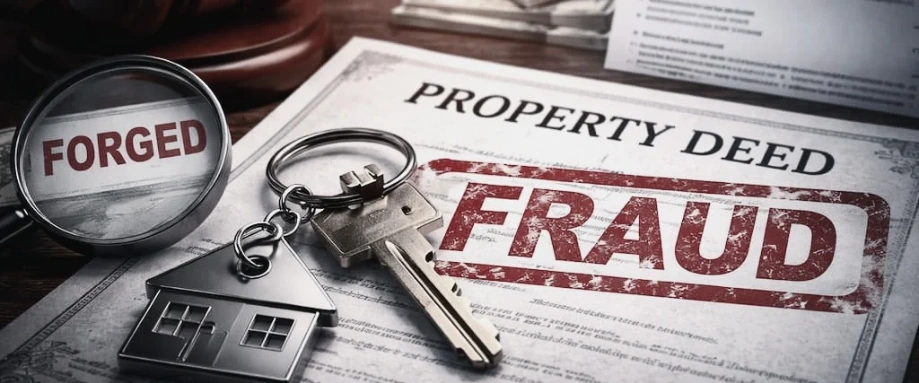
With the dramatic rise in housing costs, real estate fraud is becoming increasingly common. Real estate fraud can occur through title fraud or foreclosure fraud. Title fraud happens when someone fraudulently obtains title to another person’s property and then either sells the property or applies for a new mortgage against it.
Foreclosure fraud happens when an individual or corporation has difficulty making mortgage payments. Fraudsters may then deceive the property owner into transferring the property title in order to obtain a loan to help with payments. Such payments are not applied as promised, and the fraudsters obtain title to the property, which can then be resold or remortgaged.
Real estate fraud can attract significant penalties in the criminal courts. Judges may view these types of fraud as particularly aggravating when they involve a high level of sophistication and a significant amount of financial loss.