
Refuse to Provide a Sample
Refusing to provide a breath or blood sample after a valid demand, without a reasonable excuse, can result in a criminal conviction. Even if an individual is not impaired, refusal can carry serious penalties. The refusal must be final and unequivocal, and defence may challenge the validity of the demand or the circumstances of the refusal. Providing a sample may also affect whether additional impaired driving charges are laid.
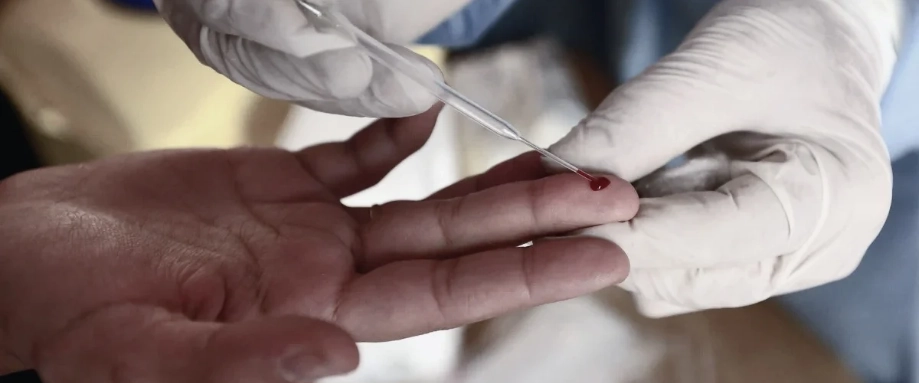
When a valid demand has been made for a breath or blood sample, an individual must provide a sample unless that individual has a reasonable excuse. Simply refusing without a valid excuse to do so can result in a conviction. An individual might not be impaired or over 80, yet if they refuse to provide a breath sample, they may still be convicted of a criminal offence. Refusing to provide a breath sample without a reasonable excuse can limit defences that would otherwise be available.
Furthermore, refusing to provide a breath sample means that there is no evidence from that particular breath test of how much alcohol was in a person’s system. If a person provided a sample below 80, they would not be charged with over 80 operation or care and control based on that result. Providing a breath sample could affect whether additional charges would be laid at all. However, even if a person would have blown 0, the fact that they refused to provide a breath sample without a reasonable excuse could form the basis of a charge for refusing to provide a breath sample.
The consequences of refusing to provide a breath or blood sample can be serious. Refusing to provide a breath sample can apply both to an approved screening device at the side of the road and to an approved instrument operated by a qualified breath technician at a police station. It is important to note that a “refusal” must be final and unequivocal. A police officer must be able to articulate how the refusal was perceived and why it was considered final and unequivocal.
The focal point with this type of offence is analysed by looking at two aspects. Initially, an evaluation is conducted as to whether the demand was made and whether that demand itself was valid. Secondly, an evaluation is conducted as to whether the “refusal” could be construed as final and unequivocal. A further point of analysis would be with respect to the actions of the police officers and whether there was a reasonable opportunity to provide a sample.
An analysis is conducted by Hundal Law Firm with respect to both of these areas. If there is a reasonable excuse why an individual cannot provide a suitable sample, then that individual should not be convicted of this offence.