
Tax Fraud
Tax fraud occurs when an individual or business deliberately falsifies information on a tax return or engages in deceptive practices to avoid paying taxes owed to the government. This can involve underreporting income, failing to declare assets, or making false claims for deductions. Under Canadian law, tax fraud can result in prosecution under the Criminal Code, the Income Tax Act, or other statutes such as the Customs Act or Excise Act. Early warnings from the Canada Revenue Agency (CRA) often precede tax fraud charges, and consulting with a tax lawyer is essential to navigate these complex issues and potentially avoid criminal charges. Hundal Law Firm can assist clients with tax fraud matters and provide timely legal advice.
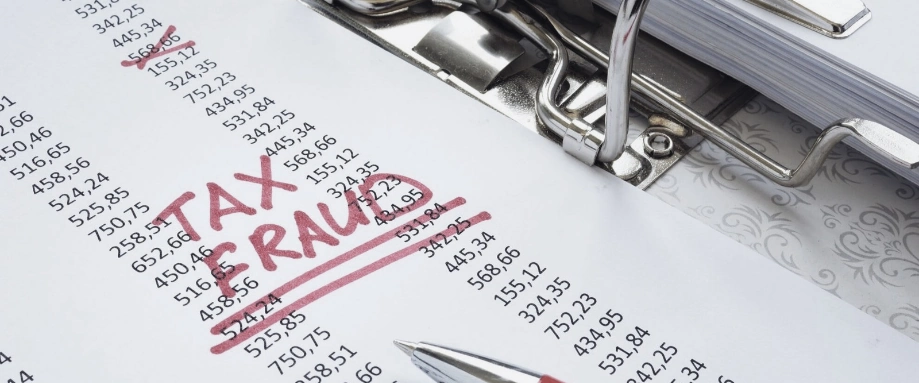
The Income Tax Act, its regulations, and the many associated tax laws can create difficulties for many Canadians. It is not always easy to navigate.
In most cases, well before a tax problem becomes a tax fraud prosecution, the individual will have ample warning from the Canada Revenue Agency (CRA). CRA may notify the individual about a concern by telephone or mail.
Many tax problems arise when individuals do not consult with tax professionals and tax lawyers. Tax law is extremely complicated. The question of what is a valid “tax write-off” or tax deduction is based on the Income Tax Act, its regulations, and numerous rulings by CRA and the courts. Ignoring tax problems or acting without suitable consultation with tax professionals can lead to charges of tax fraud.
Tax fraud is a broad and generic term. Tax fraud includes many different scenarios where a tax problem or tax issue becomes the subject of a CRA investigation. Tax fraud can involve Criminal Code or Income Tax Act offences, or both. They may also involve offences under various other laws that involve some form of tax measures, such as the Bankruptcy and Insolvency Act, the Customs Act, the Excise Act, the Greenhouse Gas Pollution Pricing Act, and many others.
Tax evasion is a classic tax fraud offence. Failure to declare earned income to avoid paying taxes is a criminal offence and an income tax offence. Failing to pay tax instalments for those who are self-employed may also be considered tax evasion and can lead to tax-related offences.
Failure to pay HST or HST instalments is another type of tax fraud problem that can lead to criminal or tax-related charges.
Making a false statement or making incomplete disclosure in a bankruptcy proceeding is another type of crime that may fall within the tax fraud category.
Failure to pay duties, for example by failing to declare merchandise being brought back into Canada from a trip, can be an offence under the Customs Act.
Smuggling or dealing in the illegal trade of cigarettes and other products regulated by the Excise Act can also constitute a fraud-related offence.
If you find yourself facing any type of tax problem related to the payment or non-payment of money to the government for a wide range of reasons, you should consult a lawyer immediately. With timely legal assistance, tax fraud charges and prosecution may potentially be avoided. If you are already charged with a tax fraud-related offence and need advice or assistance, you should also consult a lawyer immediately.
Hundal Law Firm has experience dealing with a wide range of tax fraud issues. We are available and ready to help. Call (416) 888-0592 to arrange an appointment.